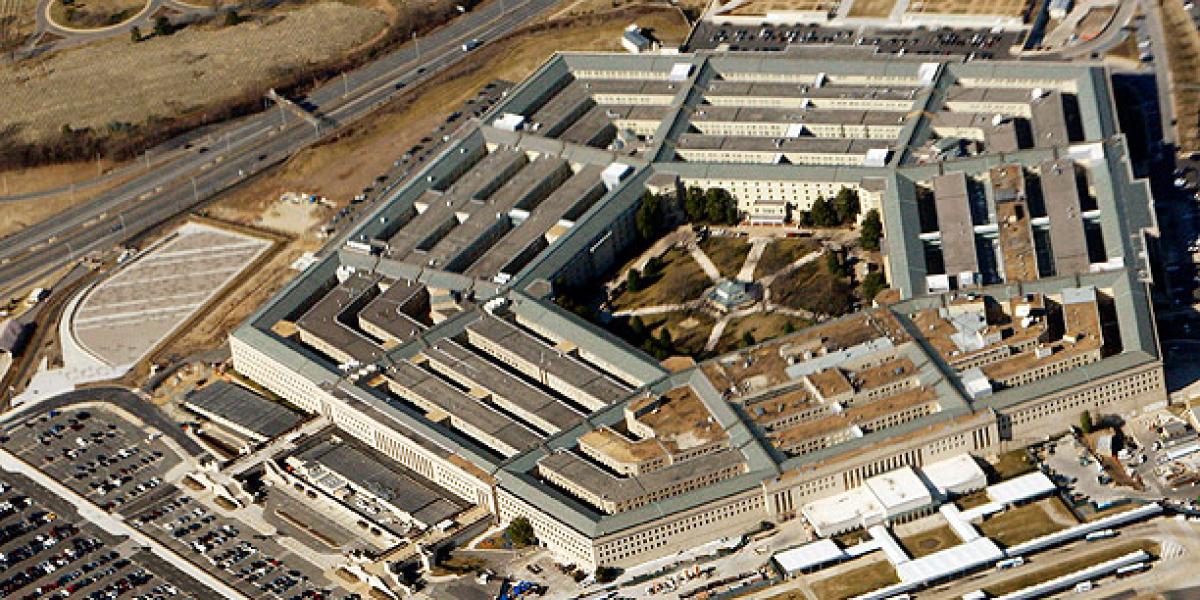
The Pentagon announced Monday that its press office has been redesignated a Sensitive Compartmented Information Facility, effectively banning journalists from entering the space because staff routinely handle classified material. Spokesman Joel Valdez explained the redesign leaves no room for media access. The move continues a pattern of restrictions that began shortly after Donald Trump returned to office last year.
Eight major outlets including The New York Times, The Washington Post, CNN, NBC and NPR were forced to vacate dedicated Pentagon offices to make room for predominantly conservative media. Remaining reporters were later required to sign a restrictive new media policy. Outlets such as the Times, Fox News, AFP and Reuters refused, resulting in revoked credentials. A March court ruling found parts of the policy unconstitutional, yet the Pentagon responded by tightening rules further.
The Correspondents’ Corridor has now been closed, and every journalist entering the building, even those who signed the policy, must be accompanied by an escort. Traditional free movement through hallways to meet military sources has vanished. Reporters accustomed to casual conversations with officials now navigate a maze of escorts and locked doors.
The policy shift has transformed routine reporting into a supervised exercise that feels more like a guided museum tour than journalism. With the press office itself off-limits, the world’s largest office building appears determined to keep its own correspondents at arm’s length. Whether this produces greater security or simply greater isolation remains an open question that even escorted journalists may struggle to answer.